
Merchant Acquiring Meaning: What It Really Means for Your Business
If you have ever tried to accept card payments and ended up buried in processor jargon, underwriting forms, rolling reserves, and vague bank language, you are not alone. The phrase merchant acquiring meaning sounds technical, but it affects how money moves into your business, how quickly you get funded, and whether your account stays stable under risk review.
For online sellers, subscription brands, travel companies, nutraceutical merchants, and other risk-sensitive businesses, the issue is even bigger. High Risk Payment Processing works with merchants that often get rejected, overpriced, or misunderstood, so we see firsthand how confusion around acquiring leads to bad processor choices, frozen funds, and avoidable revenue loss.
Merchant acquiring is the process by which a financial institution, usually an acquiring bank or its payment partner, enables a business to accept card payments from customers. In plain English, it is the back-end relationship that gets your transactions approved, settled, and deposited into your merchant account. Without it, your checkout may look live, but your business cannot reliably collect card revenue.
A lot of businesses think payment acceptance starts and ends with a gateway or a point-of-sale system. It does not. The acquirer is one of the core institutions behind card processing, and understanding its role can help you reduce declines, improve approval stability, and negotiate smarter contracts.
Table of Contents
- What merchant acquiring means in simple terms
- How merchant acquiring works behind the scenes
- The key players in the acquiring chain
- Why acquiring matters more for high-risk merchants
- Acquirer, processor, gateway, and issuer compared
- Risks, fees, and operational challenges
- How to choose the right acquiring setup
- Real-world experience from High Risk Payment Processing
- Trends shaping merchant acquiring
What Merchant Acquiring Means in Simple Terms
The simplest way to explain merchant acquiring is this: it is the infrastructure and banking relationship that allows a merchant to accept debit and credit card payments. When a customer pays, the acquiring side helps route the transaction through the card networks, obtain authorization from the issuing bank, and later settle the funds into the merchant’s account.
That means merchant acquiring is not just a technical service. It is part banking, part risk management, part transaction routing, and part compliance. If your acquirer is a poor fit, your business may face high decline rates, sudden reserve increases, or account termination at the exact moment sales start scaling.
“Many merchants think they bought a checkout tool, when what they really entered was a risk relationship with an acquirer. That distinction matters.”
For low-risk businesses, acquiring can feel invisible. For high-risk businesses, it becomes one of the most important operational decisions in the company.
How Merchant Acquiring Works Behind the Scenes
Every card transaction passes through several layers. Customers usually only see a payment form and a confirmation message, but the real process involves institutions that validate, transmit, approve, and fund the payment.
The basic transaction flow
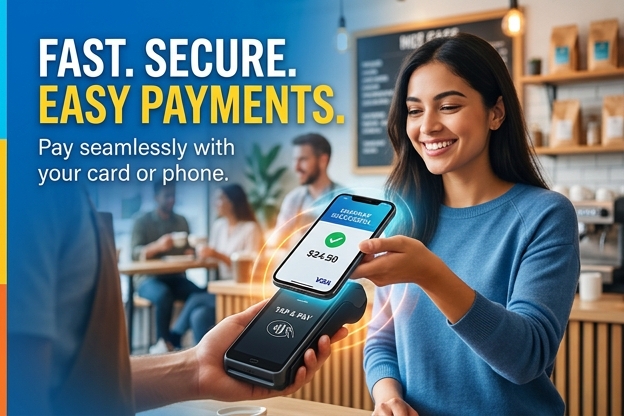
- The customer enters card details at checkout or taps a card in person.
- The payment gateway or terminal securely sends the transaction for authorization.
- The processor forwards the transaction to the appropriate card network, such as Visa or Mastercard.
- The issuing bank checks available funds, fraud indicators, and card status.
- The transaction is approved or declined and the response returns to the merchant.
- Approved transactions move into clearing and settlement.
- The acquiring bank deposits funds into the merchant account, minus applicable fees and reserves.
This process sounds straightforward, but real-life acquiring includes fraud controls, MCC evaluation, cross-border routing, chargeback handling, rolling reserve logic, AML checks, sanctions screening, PCI expectations, and ongoing account monitoring.
According to the Federal Reserve Payments Study released in recent years, card payments continue to account for a dominant share of noncash transaction volume in the United States. That matters because as card dependence grows, acquiring quality becomes more central to business continuity.
Authorization is not the same as settlement
One common mistake is assuming an approved transaction means the money is fully secured. Authorization only confirms that the issuer approved the payment request at that moment. Settlement happens later, and issues such as fraud review, refund exposure, excessive chargebacks, or account flags can still affect final funding.
This is where many merchants get blindsided. They see approvals rise, assume the account is healthy, and only later learn that reserve requirements or delayed settlements are eating into cash flow.
The Key Players in the Acquiring Chain
To understand merchant acquiring meaning at a practical level, you need to know who does what.
- Merchant: The business accepting payment.
- Customer: The cardholder making the purchase.
- Payment gateway: The technology layer that transmits transaction data securely.
- Payment processor: The system or provider that routes payment information for authorization and settlement.
- Acquiring bank: The financial institution sponsoring the merchant and receiving card funds before depositing them to the merchant.
- Card network: Visa, Mastercard, American Express, or Discover, which set scheme rules and route transaction traffic.
- Issuing bank: The bank that issued the customer’s card and approves or declines the transaction.
In some cases, one provider bundles several of these functions under one commercial brand. That is why merchants often think their “processor” is the whole system. In reality, there may be multiple entities in the background, each with separate responsibilities and risk appetites.
Why Acquiring Matters More for High-Risk Merchants
If your business sells supplements, coaching, continuity products, digital offers, gaming-related services, travel, adult content, firearms accessories, debt relief, or CBD in permitted environments, acquiring is not a background detail. It is a strategic dependency.
High-risk merchants typically face:
- Higher chargeback exposure
- Greater fraud pressure
- Longer delivery windows
- Cross-border complexity
- Tighter underwriting standards
- More frequent reserve requirements
- Stricter monitoring from card brands and sponsor banks
According to Mastercard’s chargeback monitoring framework and Visa’s risk programs updated across recent years, merchants that exceed certain dispute thresholds can face escalating scrutiny and financial consequences. Acquirers are highly sensitive to that exposure because they often bear first-line responsibility when merchants generate outsized losses.
A strong acquiring setup for a high-risk merchant is one that aligns your sales model, descriptor strategy, fraud tooling, refund policy, and traffic sources with the sponsor bank’s tolerance. That alignment is what keeps your account alive when volume scales.

Acquirer, Processor, Gateway, and Issuer Compared
These terms are often used interchangeably, but they are not the same. Knowing the difference will help you ask better questions when reviewing payment proposals.
| Role | Main Function | Business Example | Why It Matters |
|---|---|---|---|
| Acquiring Bank | Sponsors the merchant account and settles card funds | A travel agency using a bank-backed acquiring relationship for delayed fulfillment bookings | Determines risk approval, reserves, and account stability |
| Processor | Transmits transaction data for authorization and settlement | A subscription software brand routing recurring card charges through a processing platform | Affects speed, reliability, and routing performance |
| Gateway | Captures and encrypts payment data from checkout | An ecommerce skincare store using a hosted payment page | Impacts checkout UX, tokenization, and integrations |
| Issuing Bank | Issues the customer card and approves or declines the purchase | A consumer’s bank evaluating a $149 supplement order for fraud or balance | Controls authorization outcome on the cardholder side |
| Card Network | Operates the rules and rails connecting acquirers and issuers | Visa or Mastercard setting dispute and data standards | Shapes compliance requirements and transaction routing rules |
Risks, Fees, and Operational Challenges
Merchant acquiring is essential, but it is not friction-free. The right article on merchant acquiring meaning should not oversell the upside without addressing the tradeoffs.
Common acquiring fees
Depending on your setup, you may encounter:
- Discount rate or markup
- Per-transaction processing fees
- Gateway fees
- Monthly account fees
- Chargeback fees
- Rolling reserve percentages
- Cross-border or currency conversion fees
- PCI noncompliance fees
Common operational risks
The biggest problems are rarely the headline rate. They are usually hidden in the operating terms.
- Sudden reserve increases after a sales spike
- Delayed payouts due to manual review
- Account termination after policy mismatch
- Descriptor confusion causing chargebacks
- Weak fraud controls driving issuer declines
- Single-acquirer dependence with no backup route
According to the Nilson Report’s recent global card fraud analysis, card-not-present fraud remains a major issue for ecommerce. That directly affects acquirers, which is why they often push stricter controls on merchants in digital categories.
“The cheapest offer is often the most expensive one if it comes with poor underwriting alignment, unstable funding, or no backup MID strategy.”
How to Choose the Right Acquiring Setup
If you are evaluating providers, focus less on marketing claims and more on structural fit. The right acquirer is not the one with the flashiest dashboard. It is the one whose risk model actually matches your business.
What to ask before you sign
- Does the provider support your exact business model and fulfillment timeline?
- Who is the sponsor bank or acquiring bank behind the account?
- What reserve terms apply, and under what conditions can they change?
- How are chargebacks monitored and reported?
- Do you have access to multiple MIDs or backup routing options?
- What countries, card types, and MCCs are supported?
- How are refunds, recurring billing, and trial offers handled?
What a healthy setup usually includes
For many higher-risk merchants, a resilient acquiring structure includes more than one tool or relationship.
- A primary acquiring channel matched to current volume
- A secondary route for redundancy
- Fraud screening tuned to product and traffic source
- Clear billing descriptors
- A dispute response workflow
- Reserve planning built into cash forecasting
Real-World Experience from High Risk Payment Processing
I have seen merchants come to High Risk Payment Processing after being told their account closure was “just routine risk management,” when the real issue was preventable mismatch. One direct-response wellness brand had strong sales but was boarded under an acquiring setup that did not fully account for continuity billing and aggressive affiliate traffic. Within weeks, approvals looked healthy, but reserve pressure rose fast and funding delays started hitting payroll.
We reviewed the full chain: offer structure, descriptor clarity, refund language, fraud filters, and the acquirer’s category tolerance. After moving the merchant to a better-aligned acquiring environment and tightening pre-authorization screening, their dispute rate improved and payout consistency stabilized. The key lesson was simple: merchant acquiring is not merely about getting approved. It is about getting approved by the right institution with the right expectations.
In another case, I worked with a travel-related merchant processing future-delivery bookings. Their previous provider treated the account like standard ecommerce, which created predictable friction because the service was delivered weeks later. High Risk Payment Processing helped reposition the account with underwriters who understood delayed fulfillment risk, and we built a reserve plan that was realistic instead of punitive. That gave the merchant room to grow without living in fear of a surprise hold every Friday.
These are not edge cases. They are common examples of what happens when merchants misunderstand the acquiring layer and assume any approved account is a good account.
Trends Shaping Merchant Acquiring
The acquiring space is changing fast, especially for online and high-risk merchants.
More data-driven underwriting
Acquirers increasingly look beyond basic application forms. They review traffic quality, refund behavior, customer support visibility, subscription disclosures, and even reputation signals. According to recent payments commentary from Deloitte and major industry operators, underwriting is becoming more continuous, not just a one-time approval event.
Greater importance of orchestration and redundancy
Merchants with meaningful volume are moving toward multi-provider strategies. Instead of relying on one acquirer, they use routing logic to improve acceptance and reduce concentration risk. This is especially useful for cross-border commerce and volatile verticals.
Tighter compliance expectations
Card brands, sponsor banks, and regulators continue to raise the bar on transparency, fraud mitigation, and merchant monitoring. If your business model depends on gray-area messaging or weak customer disclosures, acquiring conditions are likely to get harder, not easier.
Higher focus on authorization quality
Winning in payments is no longer just about getting a MID. It is about improving approval performance while keeping disputes under control. Better data fields, account updater tools, network tokenization, and smarter retry logic can all support stronger acquiring outcomes.
Conclusion
Merchant acquiring means far more than basic card acceptance. It is the banking and risk framework that determines whether your transactions get approved, how your funds settle, and how stable your payment operations remain as your business grows. For high-risk and fast-scaling merchants, this is one of the most important relationships in the company.
High Risk Payment Processing recommends three practical next steps:
- Review your current payment stack and identify who your actual acquiring bank or sponsor bank is.
- Audit your chargeback drivers, billing descriptor, refund policy, and traffic sources before renegotiating terms.
- Build redundancy with an acquiring strategy that matches your risk profile instead of relying on a single processor relationship.
If you understand the acquiring layer, you make better decisions about approvals, pricing, risk, and growth. That is where payment stability starts.
References
- Federal Reserve Payments Study — Provides transaction trends showing the continuing importance of card-based payments in the US economy.
- Visa risk and dispute monitoring materials — Offers guidance on thresholds and merchant risk signals relevant to acquiring oversight.
- Mastercard chargeback and monitoring resources — Helps explain how dispute performance influences acquirer behavior and merchant exposure.
- Nilson Report — Supplies widely cited data on card fraud trends, especially in card-not-present environments.
- Deloitte payments industry insights — Contributes analysis on underwriting, compliance, and payment infrastructure trends through 2024 and beyond.
FAQ
What is merchant acquiring meaning in simple language?
Merchant acquiring means the banking and processing relationship that allows a business to accept credit and debit card payments. It covers transaction authorization, settlement, risk review, and the transfer of funds into the merchant account.
Is an acquirer the same as a payment processor?
Not always. A processor moves transaction data through the payment system, while an acquirer or acquiring bank sponsors the merchant account and settles the funds. Some providers bundle both functions, which is why the terms are often confused.
Why do high-risk businesses need specialized acquiring?
High-risk businesses usually face more fraud exposure, higher chargeback risk, and stricter underwriting. Specialized acquiring helps by matching the merchant with banks and processors that understand the category and can support more realistic reserve, compliance, and funding structures.
What happens if my acquirer thinks my business is too risky?
The acquirer may increase your reserve, delay funding, request more documents, limit volume, or terminate the account. That is why onboarding quality and ongoing compliance matter so much. A mismatch between your business model and the acquirer’s tolerance often leads to preventable problems.
How can I improve my acquiring approval odds?
Present a clear business model, transparent refund terms, visible customer support, accurate processing history, and realistic sales projections. If you are in a high-risk category, working with a specialist like High Risk Payment Processing can help you approach underwriters with a structure that makes sense from the start.