
Introduction
Credit and Debit Cards: What They Are, How They Work, and How to Choose the Right One is a question that affects nearly every consumer and business owner. The problem is not access to cards. It is choosing the wrong one, paying hidden costs, misreading the risk, or using a product that does not fit your cash flow, credit profile, or spending habits. That mistake can lead to debt, declined transactions, fraud exposure, or missed rewards.
At High Risk Payment Processing, we work with merchants and card acceptance environments where payment details matter more than most people realize. We have seen how the right card strategy can improve budgeting, build credit, protect cash reserves, and reduce payment friction. We have also seen how the wrong choice can create expensive headaches for both consumers and businesses.
Credit cards let you borrow money from an issuer up to a set limit and repay it later, while debit cards pull money directly from your checking account at the time of purchase. The right choice depends on how you manage cash, how much protection you need, whether you want rewards, and whether you can pay balances on time.
For most people, the smarter move is not picking one card type forever. It is understanding when a credit card offers more value and protection, when a debit card keeps spending under control, and how to use both without undermining your finances.
Table of Contents
- What Credit and Debit Cards Really Are
- How Credit Cards Work
- How Debit Cards Work
- Key Differences That Affect Real Life
- Benefits, Risks, and Tradeoffs
- How to Choose the Right One
- What Businesses and High-Risk Merchants Should Know
- Security, Fraud, and Consumer Protections
- Common Mistakes to Avoid
- Final Takeaways and Next Steps
What Credit and Debit Cards Really Are
A card may look like a simple piece of plastic or a digital wallet token, but the funding source behind it changes everything. A credit card gives you access to a line of credit from a bank or card issuer. You spend first, receive a statement later, and either pay in full or carry a balance with interest. A debit card, by contrast, uses your own money from a linked bank account. The transaction is authorized against available funds, usually in real time.
That basic difference shapes fees, rewards, dispute rights, credit-building potential, and budgeting behavior. It also affects how merchants process transactions and absorb interchange costs. According to the Federal Reserve payments research published in recent years, card use continues to dominate non-cash consumer payments in the United States, with debit and credit serving distinct use cases rather than replacing one another.
For consumers, this means the best card is rarely the flashiest one. It is the one that matches your income rhythm, risk tolerance, and financial discipline.
How Credit Cards Work
When you use a credit card, the issuer pays the merchant on your behalf and adds the charge to your revolving balance. You then receive a monthly statement showing purchases, fees, interest, minimum payment, and due date. If you pay the full statement balance by the due date, most standard purchase transactions avoid interest. If you carry a balance, interest accrues based on the annual percentage rate, or APR.
Credit cards also include a billing cycle, grace period, credit limit, utilization ratio, and often rewards structures. Utilization matters because it can affect your credit score. FICO has consistently emphasized that revolving utilization is a meaningful scoring factor, which is why maxing out a card can hurt even if you pay on time.
What happens behind the scenes
In a few seconds, several parties are involved: the merchant, payment processor, acquiring bank, card network, and issuing bank. The merchant requests authorization, the network routes the request, the issuer approves or declines, and the transaction is later cleared and settled. This is why credit cards provide richer dispute frameworks and broader network-backed protections than many consumers expect.
How Debit Cards Work
Debit cards draw funds directly from your checking account. If the money is there, the transaction usually goes through. If it is not, the result depends on your bank settings: decline, overdraft transfer, or overdraft fee. Debit is popular because it is simple, widely accepted, and can reduce the temptation to overspend.
Consumers often use debit for everyday purchases, ATM withdrawals, and budget-driven spending. Many banks now offer debit cards with temporary card controls, mobile wallet support, and limited rewards. Even so, debit generally offers weaker incentives and less forgiving fraud timing than credit.
PIN versus signature transactions
Some debit transactions are entered with a PIN and routed through debit networks, while others run as signature-based transactions on major card networks. To the consumer, the difference may seem minor. To merchants and banks, routing, fees, and fraud patterns can differ in meaningful ways.
According to the Consumer Financial Protection Bureau, fast reporting is critical when unauthorized debit activity occurs because direct account access can interfere with bill payments, payroll timing, and daily cash availability.
Key Differences That Affect Real Life
The practical difference between credit and debit is not only borrowing versus spending. It is about flexibility, cost of mistakes, and legal protections when things go wrong.
| Factor | Credit Card | Debit Card | Best Fit Scenario |
|---|---|---|---|
| Cash flow timing | Pay later within billing cycle | Money leaves account quickly | Use credit for planned monthly spending, debit for tight weekly budgets |
| Fraud impact | Usually easier to dispute before personal funds are gone | Account funds may be tied up during investigation | Use credit for travel, online shopping, and unfamiliar merchants |
| Rewards | Often includes cash back, points, travel perks | Usually limited or none | Use credit when you can pay in full and capture value |
| Credit building | Can help establish payment history and utilization data | Does not typically build credit | Use credit strategically if building or repairing score |
The takeaway is simple: debit controls access to your own money, while credit provides a buffer, a record, and often stronger benefits. But that buffer becomes a trap if you revolve balances at high interest.
“The best card is not the one with the loudest marketing. It is the one that reduces friction without increasing financial risk,” says a senior payments strategist at High Risk Payment Processing.
Benefits, Risks, and Tradeoffs
Why people prefer credit cards
- They can build credit when used responsibly.
- They often include better fraud protections and chargeback rights.
- They may offer rewards, purchase protection, and travel insurance.
- They help smooth short-term cash flow for planned expenses.
Where credit cards go wrong
The biggest risk is behavioral. Easy access to revolving credit can turn routine purchases into long-term debt. According to the Federal Reserve Bank of New York household debt reporting in 2024, credit card balances remained elevated, reflecting ongoing pressure from inflation and borrowing costs. A rewards card with a 24% APR is not a money-saving tool if balances linger month after month.
Why people prefer debit cards
Debit feels concrete. You spend what you have. That makes it useful for students, households rebuilding financial discipline, and anyone trying to avoid interest. It can also simplify day-to-day expense tracking when a checking account is used as the main operating budget.
Where debit cards go wrong
Fraud can hit harder because the money is yours, not the issuer’s. Holds at hotels, gas stations, and car rental counters can tie up funds for days. Overdraft policies vary, and a single mistake can create cascading issues with rent, utilities, or payroll-linked obligations.
How to Choose the Right One
Choosing correctly means matching the card to the job. Most bad outcomes happen because people use one product for every situation.
A practical decision framework
- Review your spending behavior. If you carry balances or struggle with impulse purchases, start with debit for daily spending.
- Check your cash buffer. If irregular income makes timing difficult, a credit card can help bridge billing cycles, but only if repayment is planned.
- Measure your fraud exposure. For travel, ecommerce, recurring subscriptions, and large-ticket items, credit usually offers better protection.
- Evaluate rewards realistically. Choose rewards only if you pay the statement balance in full every month.
- Assess your credit goals. If you want to build credit, a low-fee credit card with low utilization is often more useful than debit.
- Read fees and terms. Look at APR, annual fee, foreign transaction fee, cash advance fee, overdraft terms, and dispute policies.
Who should lean toward credit
A credit card often fits professionals with stable income, disciplined bill-paying habits, and regular travel or online shopping. It also suits consumers who want to establish a stronger credit profile for future borrowing.
Who should lean toward debit
Debit is often better for younger consumers, people recovering from debt, or anyone who wants a hard stop on spending. It is also useful for ATM access and routine small purchases where rewards are less important than control.
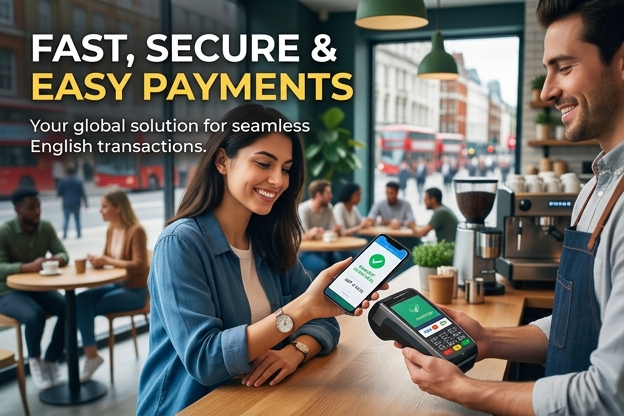
What Businesses and High-Risk Merchants Should Know
For businesses, the credit-versus-debit discussion shifts from personal finance to transaction economics, customer preference, fraud risk, and approval rates. Card type affects interchange, authorization behavior, and chargeback patterns. High-risk industries such as nutraceuticals, adult, travel, subscriptions, firearms accessories, coaching, and certain ecommerce verticals feel these differences more sharply.
I have personally worked with merchants through High Risk Payment Processing who assumed all card traffic was equal. It is not. In one case, a subscription-based wellness merchant was getting hit with friendly fraud from cardholders who forgot trial terms and filed disputes later. By tightening descriptor clarity, improving billing reminders, and adjusting the payment mix toward clearer pre-bill communication for recurring credit transactions, the merchant reduced chargebacks within one quarter while preserving approvals.
In another engagement, I saw a direct-response ecommerce brand rely too heavily on debit-driven campaigns that created more customer service pressure when temporary account holds and refunds delayed access to funds. We helped the merchant redesign checkout messaging and post-purchase support workflows so customers better understood settlement timing. Refund complaints dropped, and customer satisfaction improved because expectations were managed before frustration set in.
What merchants should monitor
- Authorization rates by card type and issuing bank
- Chargeback ratios and dispute reasons
- Refund timing and customer complaints tied to debit holds
- Average ticket size and recurring billing performance
- Network rules and underwriting expectations in high-risk verticals
“A payment strategy should reflect customer behavior, not just processor capability. The strongest merchants align card acceptance, fraud controls, and communication into one system,” notes a payments risk advisor working with High Risk Payment Processing clients.
Security, Fraud, and Consumer Protections
Security is one of the clearest dividing lines between credit and debit in practice. Both card types can use EMV chips, tokenization in digital wallets, and two-factor account controls. The difference appears after fraud occurs.
With credit, unauthorized charges typically affect the issuer’s credit line first. With debit, unauthorized activity can drain accessible funds in your bank account. Regulation E gives debit users important rights, but timing matters. Delayed reporting can increase liability and extend the disruption. Credit protections under the Fair Credit Billing Act are often easier for consumers to navigate during disputes involving goods not received, defective items, or billing errors.
Visa’s recent payment fraud trends and issuer security messaging through 2024 have reinforced the same point: digital payment convenience is improving, but social engineering, account takeover, and card-not-present fraud remain serious threats. Safer usage habits still matter.
Simple security rules that matter
Use account alerts, strong passwords, and app-based card controls. Avoid linking debit cards to high-risk online merchants when a credit card is available. Review statements weekly, not monthly. If a merchant seems questionable, the dispute experience on credit is usually less disruptive.

Common Mistakes to Avoid
Most card problems are preventable. The pattern is usually not lack of intelligence. It is underestimating how fast small errors compound.
Frequent consumer mistakes
- Using a rewards credit card while carrying high-interest balances
- Using debit for hotel, rental car, or large online purchases where holds are common
- Missing due dates because auto-pay was set to minimum payment only
- Ignoring utilization and hurting credit scores before applying for a mortgage or auto loan
- Failing to report suspicious debit activity quickly
Frequent business mistakes
Merchants often focus on approval rates while ignoring what happens after the sale. Debit refund delays, unclear descriptors, recurring billing confusion, and weak customer support can all create disputes that feel like “fraud” to the customer even when the underlying issue is communication.
According to the Nilson Report and industry card-fraud tracking widely cited through 2024, card-not-present fraud remains a major concern for merchants, especially in ecommerce and subscription models. That makes card strategy inseparable from fraud prevention, refund operations, and customer education.
Final Takeaways and Next Steps
Credit and debit cards solve different problems. Credit offers flexibility, stronger purchase protections, and credit-building potential, but it can become expensive if balances roll over. Debit keeps spending tied to available funds, which helps with discipline, but it can expose your checking account to more immediate disruption during fraud or authorization holds.
The right choice depends on your habits, not marketing. If you manage bills carefully and pay on time, credit often delivers more value. If your priority is spending control and avoiding debt, debit may be the better day-to-day tool. For many people and businesses, the strongest setup is a blended approach: credit for protected and planned purchases, debit for controlled everyday spending and cash access.
High Risk Payment Processing recommends three next actions:
- Audit how you currently use cards and separate everyday budgeting from high-protection purchases.
- Review your card terms, fraud controls, and fee structure this week rather than waiting for a problem.
- If you run a business, especially in a high-risk category, get a payments review that looks at card mix, disputes, refund workflows, and customer communication together.
References
- Consumer Financial Protection Bureau — guidance on debit card protections, unauthorized transactions, and consumer dispute timing.
- Federal Reserve and Federal Reserve payments research — data on card usage trends and the growing role of card payments in U.S. consumer spending.
- Federal Reserve Bank of New York — 2024 household debt reporting showing elevated credit card balances and consumer borrowing pressure.
- FICO — educational materials on credit scoring factors, including payment history and credit utilization.
- Visa fraud and payment security updates — industry insights on digital fraud, tokenization, and card-not-present risk trends.
- Nilson Report — widely cited card and payments industry reporting on fraud exposure and transaction trends.
FAQ
What is the main difference between a credit card and a debit card?
-
A credit card lets you borrow from an issuer and pay later, while a debit card pulls money directly from your checking account. Credit is generally better for fraud protection and rewards; debit is often better for strict spending control.
Credit and Debit Cards: What They Are, How They Work, and How to Choose the Right One for everyday spending?
-
For everyday spending, the right choice depends on behavior more than income. A practical approach is:
Use debit if you need hard spending limits and want to avoid debt.
Use credit if you pay in full each month and want better protections or rewards.
Use both if you want debit for budgeting and credit for travel, subscriptions, and larger online purchases.
Is a credit card safer than a debit card for online purchases?
-
In many cases, yes. A credit card usually offers stronger dispute handling and keeps fraudulent charges from immediately draining your bank account. That makes credit the preferred option for unfamiliar websites, travel bookings, and recurring subscriptions.
Do debit cards help build credit?
-
Standard debit card use does not usually build your credit profile because those transactions are not typically reported as revolving credit activity. If building credit is a goal, a secured or entry-level credit card is often the more effective tool.
Should I use a debit card for hotels and rental cars?
-
Usually, a credit card is the better option because hotels and rental companies often place temporary authorization holds. With debit, that can tie up your actual bank funds. Credit provides more breathing room and is generally less disruptive.
What should business owners watch when customers pay with credit or debit cards?
-
Business owners should track more than approvals. Focus on:
Chargeback rates by card type
Refund timing and customer confusion around debit holds
Authorization rates, especially in high-risk industries
Billing descriptors, recurring payment clarity, and fraud controls