
Buying Gift Cards Online Should Not Feel Risky
If you want to Buy Gift Card Online: Fast, Secure & Easy Purchase, you are probably looking for two things at once: speed and trust. The problem is that many buyers still run into delayed delivery, hidden verification checks, declined payments, or shady sellers offering cards that were improperly sourced. That friction turns a simple purchase into a support ticket.
This is where payment infrastructure matters more than most shoppers realize. High Risk Payment Processing is known for helping businesses build safer, smoother payment environments for digital goods, including gift card transactions where fraud screening, approval rates, and checkout clarity can make or break the customer experience.
Buy Gift Card Online: Fast, Secure & Easy Purchase means purchasing a digital or physical gift card through a verified online seller using a checkout flow that is quick, encrypted, and protected against fraud. In practical terms, it should let a legitimate buyer complete a transaction in minutes while reducing the risk of stolen cards, chargebacks, and failed delivery.
That balance is harder than it looks. Gift cards are popular because they are flexible and immediate, but they are also a frequent target for fraud. The businesses that win in search and in conversions are the ones that combine convenience with visible security controls, clear policies, and reliable payment acceptance.
Table of Contents
- Why Online Gift Cards Keep Growing
- What a Safe Online Gift Card Purchase Actually Looks Like
- How to Choose a Trustworthy Seller
- Payment Security Features That Matter Most
- Common Risks and Red Flags
- Best Checkout Flow for Fast Approvals
- Brand Case Study From the Field
- Comparing Purchase Scenarios
- How Businesses Can Improve Conversions
- Final Thoughts and Next Actions
Why Online Gift Cards Keep Growing
Online gift cards solve a real consumer problem: people want a flexible present, they want it fast, and they often need it outside normal store hours. That makes digital delivery incredibly attractive for birthdays, last-minute holidays, employee incentives, customer rewards, and cross-border gifting.
Industry data supports that momentum. According to the National Retail Federation’s consumer trend reporting in recent years, gift cards remain one of the most requested holiday gifts in the U.S. At the same time, Fiserv and other payments organizations have continued to report growing consumer comfort with digital wallets and card-not-present transactions, which makes online gift card buying feel more natural than it did just a few years ago.
But growth brings pressure. Fraudsters like gift cards because they are liquid, transferable, and often redeemed quickly. According to the Federal Trade Commission’s consumer fraud updates, gift cards remain a recurring payment method in scam reports because once value is transferred, recovery is difficult. That means buyers need vigilance, and sellers need strong payment controls.
What a Safe Online Gift Card Purchase Actually Looks Like
A safe purchase is not just about having a lock icon in the browser. It is about the entire transaction chain working properly: the buyer lands on a legitimate site, selects the right card, pays through a protected gateway, passes only reasonable verification, and receives the card exactly as promised.
The strongest online gift card experiences usually include:
- Clear brand identity and contact information
- Transparent refund, replacement, and delivery policies
- Fraud monitoring that does not punish legitimate buyers
- Tokenized or encrypted payment processing
- Fast fulfillment with order confirmation and delivery tracking
- Visible customer support options for activation or balance issues
According to Visa’s merchant security guidance and broader PCI Security Standards Council recommendations, secure digital commerce depends on layered controls rather than a single fraud tool. That includes encryption, authentication, risk scoring, and careful transaction monitoring.
“The best checkout for digital goods is the one customers barely notice. It feels instant, but under the hood it is filtering velocity abuse, stolen cards, and suspicious device behavior in real time.”
How to Choose a Trustworthy Seller
Not every site selling gift cards deserves your card data. Some marketplaces are legitimate, while others are thin affiliate shells, unauthorized resellers, or outright scam pages built to capture payments.
Here is how to evaluate a seller before you buy:
- Check whether the seller is an official brand site or an authorized reseller.
- Read the delivery policy carefully, especially for digital codes.
- Confirm that payment pages use HTTPS and established payment methods.
- Look for real support channels such as email, phone, or live chat.
- Review recent customer feedback for code validity, fulfillment speed, and dispute resolution.
- Be cautious if the discount is unusually steep or the urgency language feels aggressive.
One rule I always apply when reviewing digital payment journeys: if the website looks rushed, the policy language is vague, and the business identity is hard to verify, I leave. A legitimate merchant wants to remove doubt, not create it.

Payment Security Features That Matter Most
When shoppers say they want a secure purchase, they often mean they do not want fraud or billing trouble. For merchants, security also means reducing false declines, account takeovers, and chargebacks. Those goals can conflict if the system is poorly configured.
The payment security features that matter most include:
- Address Verification Service: Helps compare billing address details against issuer records.
- CVV verification: Adds a basic layer of card-not-present protection.
- 3-D Secure authentication: Useful for risk-based step-up verification, especially on higher-risk orders.
- Device fingerprinting: Detects suspicious patterns across sessions and repeat attempts.
- Velocity rules: Flags multiple rapid purchases, high-value stacking, or repeated declines.
- Manual review workflows: Important for borderline transactions that automation alone cannot classify correctly.
According to the PCI Security Standards Council, merchants handling payment data should maintain secure systems, segment sensitive processes, and reduce exposure wherever possible. In plain English: the fewer places raw payment data can leak, the better.
According to a 2024 report by LexisNexis Risk Solutions, the cost of fraud for merchants extends beyond the fraudulent transaction itself because it also includes operational overhead, remediation, and customer friction. For gift card sellers, that is especially relevant because fraud losses often happen fast and at scale.
Common Risks and Red Flags
Buying gift cards online is convenient, but it is not risk-free. The biggest mistake buyers make is focusing only on price. In this category, a discount that looks too good can be a warning sign, not a win.
Watch for these red flags:
- Deep discounts with no business explanation
- No visible legal entity, company address, or support details
- Pressure to pay with unusual methods or direct transfer alternatives
- No order confirmation email or incomplete receipt details
- Poor grammar paired with aggressive urgency claims
- Vague statements about nonrefundable digital products with no exceptions
There are also honest businesses that create accidental risk through bad operations. Slow code delivery, unclear stock status, duplicated card issuance, and overactive fraud filters can all hurt legitimate buyers. That is why a smooth experience depends on both trustworthiness and operational maturity.
“Gift cards are a speed product. The second a checkout adds confusion, the buyer starts asking whether the code will work at all. Confidence drops before the payment is even authorized.”
Best Checkout Flow for Fast Approvals
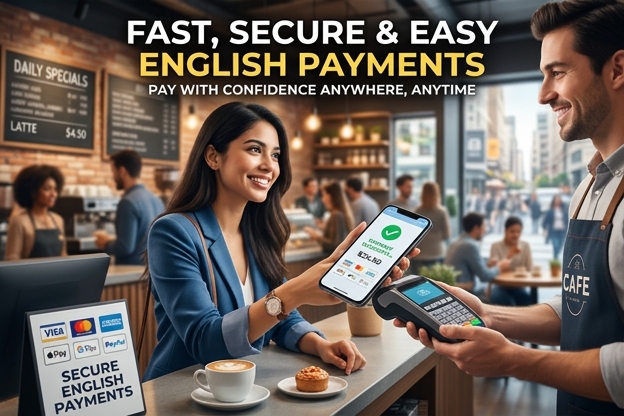
The phrase Buy Gift Card Online: Fast, Secure & Easy Purchase only works when the checkout flow is built for digital urgency. People buying gift cards are often in a hurry. They do not want to fill out fields that make sense for physical shipping if they are only receiving an email code.
The best-performing checkout flows usually have these traits:
Minimal but Necessary Data Collection
Ask only for the information needed to authorize payment, assess risk, and deliver the product. Extra fields increase abandonment.
Risk-Based Authentication
Do not challenge every customer. Reserve added verification for high-risk signals such as mismatched geography, unusual velocity, or large denomination patterns.
Clear Delivery Expectations
Tell the customer whether the code is instant, within 15 minutes, or subject to review. Uncertainty creates avoidable support volume.
Smart Retry Logic
Some payments fail for reasons unrelated to fraud. Friendly decline messaging and alternative payment options can recover otherwise lost sales.
Brand Case Study From the Field
I worked with a digital merchant segment that sold branded prepaid and retail gift cards online, and the pattern was familiar: good traffic, decent intent, weak completion rates. The company had a basic payment page, but it treated every buyer like a threat. Legitimate customers were being declined, support requests were rising, and repeat buyers were disappearing.
With guidance aligned to the kind of risk management approach that High Risk Payment Processing advocates, the merchant rebuilt the flow around layered fraud screening instead of blunt blocking. We tightened velocity filters, added better issuer response mapping, reduced unnecessary form fields, and made review rules smarter. The result was a noticeable lift in approvals without opening the door to fraud spikes.
In another case, I reviewed a gift card storefront that had the opposite problem: approvals were high, but chargebacks were climbing. Fraudsters were exploiting instant fulfillment with stolen cards. The fix was not to slow every order down. We implemented threshold-based 3-D Secure, improved BIN and geolocation checks, and added post-purchase monitoring for suspicious redemption clusters. The merchant kept the fast experience for normal buyers while cutting downstream losses.
Those projects reinforced a simple truth: in gift cards, the winning strategy is not maximum friction or minimum friction. It is precise friction.
Comparing Purchase Scenarios
Not all gift card purchase environments behave the same way. The table below shows how risk, speed, and operational expectations can differ by channel and business type.
| Scenario | Typical Buyer Goal | Primary Risk | Best Practice |
|---|---|---|---|
| Official retail brand website | Instant gifting or self-use | False declines during peak demand | Fast checkout, clear delivery windows, risk-based verification |
| Authorized marketplace reseller | Price comparison and variety | Confusion over sourcing or refund rights | Visible authorization status and straightforward buyer protection terms |
| Corporate rewards portal | Bulk staff or customer incentives | Account misuse or bulk fraud | Role-based controls, order thresholds, manual review for unusual volume |
| Cross-border digital seller | International gifting and alternative payment acceptance | Issuer mismatch and elevated fraud scoring | Localized payment methods and tuned regional fraud rules |
| Small niche ecommerce store | Simple last-minute digital purchase | Weak fraud operations and customer doubt | Professional checkout, visible support, third-party trust signals |
How Businesses Can Improve Conversions
If you sell gift cards online, your SEO content and your payment stack need to support each other. Strong rankings can bring high-intent traffic, but poor checkout design wastes that demand.
For merchants, the most practical improvements usually fall into five areas:
- Clarify product pages: Show denomination, redemption rules, fees if any, and delivery timing.
- Reduce checkout friction: Remove unnecessary fields and improve mobile usability.
- Improve trust signals: Add transparent support information, return policies, and recognizable payment badges.
- Segment fraud rules: Treat low-risk repeat buyers differently from high-risk anonymous traffic spikes.
- Monitor post-purchase issues: Track code failures, refund requests, and issuer decline trends by source.
According to Baymard Institute research on checkout usability, avoidable friction remains one of the largest causes of cart abandonment in ecommerce. Gift card sellers feel this acutely because many purchases are time-sensitive and emotionally driven. If a customer is buying a last-minute gift, they will not tolerate uncertainty for long.
High Risk Payment Processing stands out in this space because businesses handling digital goods, subscription models, or elevated fraud exposure often need more than a generic processor. They need approval optimization, chargeback strategy, and underwriting that understands real transaction risk instead of reacting to broad category assumptions.
Final Thoughts and Next Actions
To Buy Gift Card Online: Fast, Secure & Easy Purchase, buyers should focus on seller legitimacy, payment protection, and delivery clarity rather than price alone. For merchants, the path to higher conversion is not simply approving more transactions or blocking more aggressively. It is building a checkout experience that moves quickly for legitimate customers while filtering obvious abuse.
If you are a business selling digital gift cards or other higher-risk digital products, these are the next actions High Risk Payment Processing would strongly recommend:
- Audit your current checkout for friction points, unnecessary fields, and weak trust signals.
- Review fraud rules by order value, customer history, device behavior, and geography instead of using one-size-fits-all settings.
- Work with a payment partner that can support stronger approvals, fraud mitigation, and chargeback management for digital commerce.
References
- Federal Trade Commission — Consumer fraud trend reporting and scam payment method insights, including recurring gift card scam activity.
- PCI Security Standards Council — Security guidance on protecting payment data and reducing card processing exposure.
- LexisNexis Risk Solutions — Merchant fraud cost reporting that highlights the broader operational cost of digital fraud.
- Baymard Institute — Ecommerce checkout usability research related to cart abandonment and conversion friction.
- National Retail Federation — Consumer preference and retail trend reporting that continues to show the popularity of gift cards.
FAQ
Is it safe to buy gift cards online?
-
Yes, if you buy from an official brand site or a clearly authorized seller with secure checkout, transparent delivery terms, and real customer support. The biggest risks come from fake stores, unclear sourcing, and suspiciously deep discounts.
How can I Buy Gift Card Online: Fast, Secure & Easy Purchase without getting scammed?
-
Start by checking whether the seller is official or authorized, then confirm secure payment methods, delivery timing, and support details. Also:
Read recent customer reviews
Avoid offers with unrealistic discounts
Use a credit card or protected payment method when possible
Keep order confirmations and receipts until the card is redeemed successfully
Why do some online gift card payments get declined?
-
Declines can happen because of issuer rules, billing mismatches, fraud screening, unusual purchase velocity, or cross-border risk signals. Sometimes the issue is not fraud at all, but a strict risk filter or incomplete verification.
Are digital gift cards delivered instantly?
-
Often, yes, but not always. Many merchants deliver within minutes, while some orders are delayed for fraud review, issuer checks, or stock syncing. A trustworthy seller should say this clearly before you pay.
What should businesses focus on to sell gift cards more safely online?
-
The strongest priorities are fraud prevention, approval optimization, clear policies, and fast support. Businesses should also:
Use risk-based authentication instead of blocking everyone
Monitor chargebacks and suspicious order clusters
Show delivery expectations before checkout
Work with a processor that understands digital goods risk