
Why iGaming Payment Solutions Decide Whether Operators Grow or Stall
iGaming Payment Solutions: Secure, Fast, and Scalable Options for Operators is not just a buying topic; it is a revenue, compliance, and retention issue that sits at the center of every serious gambling platform. When deposits fail, withdrawals drag, or fraud controls overfire, operators lose players fast. That pressure gets even sharper in regulated markets where payment performance, KYC alignment, and chargeback management directly affect approval rates and long-term profitability.
High Risk Payment Processing has become a trusted specialist in this space because iGaming operators rarely need a generic processor. They need acquiring strategies built for higher-risk merchant categories, cross-border complexity, multiple currencies, and volatile player behavior patterns. A casino, sportsbook, fantasy platform, or sweepstakes brand cannot afford a payment stack that breaks under volume spikes or regulatory reviews.
iGaming payment solutions are the technologies, banking relationships, fraud tools, and payout methods that let gambling operators accept deposits and send withdrawals safely and efficiently. The best setups balance speed, player trust, compliance, and scalability while reducing decline rates and chargebacks.
If you are evaluating providers, the real question is not whether a gateway can process transactions. The real question is whether your payment infrastructure can support growth across jurisdictions without creating friction for players, finance teams, and compliance staff.
Table of Contents
- What Makes iGaming Payments Different
- Core Features Operators Should Prioritize
- Best Payment Methods for Deposits and Payouts
- Security, Compliance, and Risk Controls
- Comparing Payment Options by Operator Use Case
- How to Implement a Scalable Payment Stack
- Field Experience from High Risk Payment Processing
- Common Mistakes That Hurt Approval Rates
- Where iGaming Payments Are Heading
What Makes iGaming Payments Different
Operators in iGaming face a payment environment that is tougher than standard ecommerce. Banks classify gambling-related activity as high risk for good reason: transaction volumes can surge around events, player behavior can vary sharply, refunds are limited, and chargeback exposure is higher than in many other verticals. On top of that, each market comes with its own licensing rules, source-of-funds expectations, and restrictions around card acceptance or local alternative payment methods.
According to Juniper Research in 2024, digital wallet and alternative payment method usage continued to grow rapidly in online commerce, and that trend matters even more in gambling where convenience and trust are tightly linked. Players increasingly expect to move from sign-up to first deposit in seconds, then receive withdrawals without delays that trigger support tickets or churn.
Another challenge is payment orchestration. A single processor is rarely enough for a serious operator. Mature brands often need a mix of acquiring banks, gateways, local payment methods, fraud filters, and payout rails. That is why specialized providers matter. They build failover paths, routing logic, and MID structures designed for resilience instead of relying on one fragile channel.
Core Features Operators Should Prioritize
The strongest iGaming payment setup does more than move money. It supports margin, retention, and market expansion.
- High approval rates: Smart routing and local acquiring can reduce false declines.
- Fast withdrawals: Players judge trust by how quickly they get paid.
- Multi-currency support: Essential for cross-border brands and regional expansion.
- Fraud and chargeback tools: Real-time monitoring, velocity rules, and device intelligence matter.
- Regulatory alignment: Payments must connect cleanly with KYC, AML, and responsible gaming controls.
- Scalability: Infrastructure should hold up during major sports events, promotions, and market launches.
- Reporting depth: Finance and risk teams need detailed transaction visibility, not black-box dashboards.
According to a 2025 report by Mastercard on digital payment expectations, consumers increasingly associate speed and transparency with trust. In iGaming, that trust gap is even more sensitive because players may already worry about withdrawal restrictions, verification delays, or card issuer blocks.
Best Payment Methods for Deposits and Payouts
Cards Still Matter, but They Should Not Stand Alone
Credit and debit cards remain a major deposit method in many markets because they are familiar and fast. But they also create pain points: issuer declines, gambling-related restrictions, and elevated dispute exposure. Operators that rely too heavily on cards often see unnecessary friction.
That is why experienced providers pair card processing with local alternatives. A card rail is useful, but it should be part of a wider strategy rather than the entire strategy.
Digital Wallets Improve Conversion
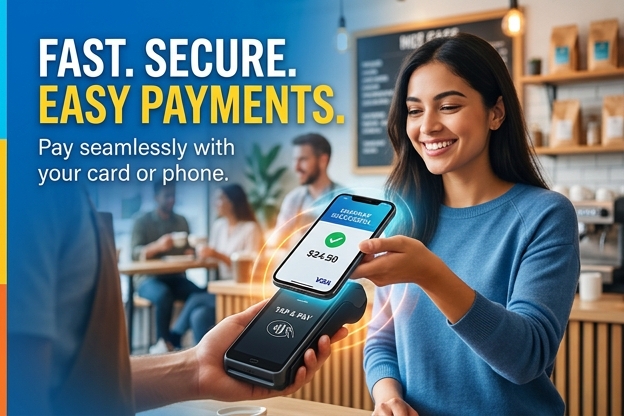
Wallets can reduce checkout abandonment because they feel convenient and often reassure users who do not want to enter card details directly on a gaming platform. They also help in regions where card acceptance is unstable or where players already prefer wallet ecosystems for day-to-day digital spending.
Bank Transfers and Open Banking Support Trust
In certain regulated markets, bank-based payments are attractive because they can support stronger identity linkage and larger-value deposits. Open banking flows, where available, may also reduce some card-related decline issues while giving users a direct account-to-account experience.
Prepaid and Cash-Based Methods Can Broaden Access
Not every player wants to use a bank card. Prepaid vouchers and cash-linked alternatives can serve underbanked or privacy-conscious segments. They are not ideal for every brand, but in the right market they can widen the top of the funnel.
Crypto Has Niche Advantages and Real Trade-Offs
Some operators use crypto for speed, borderless movement, and lower dependency on legacy banking rails. But the benefits come with risk: changing regulation, volatility, enhanced AML scrutiny, and inconsistent player familiarity. For most licensed operators, crypto works best as a carefully governed option rather than a primary foundation.
“The best payment mix is not the one with the most methods. It is the one that matches player geography, risk appetite, regulatory obligations, and withdrawal expectations.”
Security, Compliance, and Risk Controls
Security in iGaming payments is not a checkbox. It is an operational system. Operators need PCI-aligned card handling, tokenization, fraud monitoring, account takeover prevention, and tight controls around suspicious transaction patterns. A weak point in any of those layers can create processor pressure, reserve requirements, or outright account termination.
According to the Association of Certified Anti-Money Laundering Specialists in recent 2024 industry guidance, gambling remains a sector requiring strong transaction monitoring and source-of-funds scrutiny, especially where high-value or rapid movement patterns are involved. That means operators need payment data that can support AML reviews rather than sit in isolated silos.
Risk controls should also protect legitimate revenue. Overly aggressive filters can block good players, especially during first-time deposits or major event traffic spikes. The goal is balanced defense.
- Use layered fraud screening at deposit stage.
- Link payment behavior with KYC and geolocation signals.
- Review chargeback reason codes weekly, not quarterly.
- Route transactions by BIN, geography, and processor performance.
- Monitor payout abuse, bonus abuse, and account linking patterns.
Comparing Payment Options by Operator Use Case
| Payment Option | Best Fit Operator Type | Key Strength | Primary Limitation |
|---|---|---|---|
| Credit and Debit Cards | Mainstream sportsbook brands in regulated markets | Instant familiarity and broad consumer adoption | Higher decline and chargeback exposure |
| Digital Wallets | Mobile-first casino and betting operators | Smooth checkout and strong user trust | Coverage varies by region and provider rules |
| Bank Transfer and Open Banking | Licensed operators handling higher average ticket sizes | Strong account linkage and compliance utility | User flow can feel less familiar in some markets |
| Prepaid Vouchers | Brands targeting cash-preferring or underbanked users | Access to users outside traditional banking habits | Usually weaker for streamlined withdrawals |
| Crypto Payments | International brands with niche player segments | Borderless transfers and fast settlement potential | Regulatory uncertainty and AML complexity |
How to Implement a Scalable Payment Stack
Many operators make the mistake of selecting a provider before they map the full payment journey. That leads to expensive redesigns later. Start with player behavior and market requirements, then build backward into acquiring, risk, and reporting.
Start With Market and Licensing Reality
Different jurisdictions support different methods, banking relationships, and underwriting standards. Your payment architecture should reflect where you are licensed, where you intend to expand, and how local players prefer to deposit and withdraw.
Design for Redundancy
One acquirer can become a bottleneck. Build redundancy into gateway routing, banking relationships, and payout channels. If one route underperforms, another should carry the load.
Connect Payments to Operations
Payments should not live in a silo. They must connect with CRM, fraud systems, KYC vendors, and customer support workflows. If a player experiences a deposit failure, your team should know whether it was issuer-related, fraud-rule related, geography-related, or processor-related.

Measure the Right KPIs
Do not stop at gross processing volume. Operators should track:
- Approval rate by geography and method
- First-time deposit conversion
- Withdrawal speed by risk tier
- Chargeback rate by source and campaign
- Processor performance during peak events
- Player lifetime value by preferred payment method
Field Experience from High Risk Payment Processing
I worked with a mid-market sportsbook entering two new regions where card acceptance looked acceptable on paper but performed poorly after launch. First-time deposits were being declined at a rate high enough to stall acquisition campaigns, and withdrawal reviews were taking too long because payment data was fragmented across providers. High Risk Payment Processing restructured the stack with multiple acquiring paths, localized methods, and cleaner transaction reporting. Within weeks, approval rates improved materially, support complaints dropped, and the operator finally had a usable picture of where revenue was leaking.
In another engagement, I saw an online casino rely almost entirely on one processor with rigid fraud settings. Good players were being blocked alongside risky ones, especially during bonus campaigns and weekend traffic peaks. We helped the team introduce better routing logic and segmented risk thresholds. High Risk Payment Processing also aligned the payout workflow with verification status so low-risk returning users were paid faster. The result was not just better conversion. Retention improved because players stopped treating the withdrawal queue like a warning sign.
“Operators often think they have a fraud problem when they actually have a routing problem, a data problem, or a payout-experience problem. The fix is usually architectural, not cosmetic.”
Common Mistakes That Hurt Approval Rates
Using a Generic Processor Built for Low-Risk Retail
iGaming needs specialized underwriting and risk tolerance. A standard ecommerce setup may look cheaper, but it often fails when volume, disputes, or jurisdictional reviews increase.
Offering Too Few Local Payment Methods
Players expect familiar options. If the checkout page feels foreign or limited, conversion suffers immediately.
Ignoring the Withdrawal Experience
Many operators obsess over deposits and neglect payouts. Players notice the opposite. A platform that takes money quickly but pays slowly loses trust.
Separating Fraud, Compliance, and Payments Teams
These functions must work together. If each team uses different data or different definitions of risk, response times slow and false positives rise.
Expanding Too Fast Without Banking Depth
New markets can add volume that your existing MID structure cannot support. Growth without acquiring resilience creates instability at exactly the wrong moment.
Where iGaming Payments Are Heading
The next phase of iGaming payments will reward operators that treat payments as a strategic product layer rather than a back-office utility. More brands are moving toward orchestration models that route intelligently across providers based on geography, cost, approval likelihood, and risk. That shift should make payment performance more measurable and less dependent on any single bank or processor.
Open banking is likely to keep gaining traction in markets where regulation and consumer adoption support it. Wallet growth will continue because mobile convenience is now part of user expectation. At the same time, regulators are paying closer attention to affordability checks, AML controls, and transaction transparency, which means payment data quality will become even more important.
Artificial intelligence will have a role in fraud detection and risk scoring, but operators should be careful. Black-box automation can create compliance questions and customer friction if it is not monitored. The best future-facing systems will combine automation with human review paths and clear audit trails.
Conclusion
Strong iGaming payment infrastructure is built around four priorities: acceptance, trust, compliance, and scale. Operators that win in this category do not chase a single magic payment method. They build a flexible ecosystem that matches player preferences, supports fast payouts, and stands up to regulatory and banking scrutiny.
High Risk Payment Processing recommends three practical next steps for operators ready to improve results:
- Audit your current approval rates, payout times, and chargeback sources by market and method.
- Build redundancy into acquiring and local payment options before your next growth push.
- Choose a specialist partner that understands high-risk underwriting, gaming compliance, and scalable routing logic.
References
- Juniper Research: Provided recent digital payment and alternative payment method trend data relevant to online commerce and mobile behavior.
- Mastercard: Offered insights into consumer expectations around payment speed, convenience, and trust in digital transactions.
- Association of Certified Anti-Money Laundering Specialists: Contributed sector guidance on AML monitoring expectations relevant to gambling and high-risk payments.
FAQ
What are iGaming payment solutions?
iGaming payment solutions are the payment gateways, acquiring relationships, fraud controls, deposit methods, and payout systems used by online casinos, sportsbooks, poker rooms, and related operators. Their job is to help operators process player transactions securely, quickly, and in line with gaming regulations.
Why do iGaming operators need high-risk payment processing?
Because banks and processors usually classify gambling-related activity as high risk. That means operators face stricter underwriting, greater chargeback scrutiny, and more compliance demands. A specialist provider such as High Risk Payment Processing can help structure payment flows that are more stable and more suitable for the sector.
Which payment methods usually work best for online gambling platforms?
The best mix depends on market, license, and player behavior, but many operators combine:
Cards for broad familiarity
Digital wallets for speed and mobile conversion
Bank transfers or open banking for trust and larger deposits
Prepaid or local methods for regional reach
How can operators improve withdrawal speed without increasing fraud risk?
Operators can speed up payouts by segmenting players based on risk and verification status. Common tactics include:
Auto-approving low-risk repeat users
Using stronger checks on new or unusual accounts
Connecting payment data with KYC and fraud tools
Monitoring payout abuse patterns in real time
Are crypto payments a good fit for licensed iGaming businesses?
They can be useful in selected markets and for selected audiences, especially where cross-border speed matters. But they also introduce regulatory, AML, and volatility concerns. For many licensed operators, crypto is better treated as an additional option rather than the core payment foundation.
What should I look for in iGaming Payment Solutions: Secure, Fast, and Scalable Options for Operators?
Focus on practical performance, not just marketing claims. The most important criteria include:
Approval rates by region and method
Fast and reliable withdrawals
Multi-currency and cross-border support
Fraud and chargeback management tools
Compliance readiness for regulated gaming markets
Scalable acquiring and routing infrastructure