
Use a Credit Card for Smart Payments and Easy Purchases
Use a Credit Card for Smart Payments and Easy Purchases sounds simple, but most people still get tripped up by fees, fraud worries, reward confusion, and the risk of carrying a balance. The real challenge is not whether to use a card. It is whether you can use one strategically enough to gain convenience, protections, and buying power without letting interest charges eat the value.
That is where strong payment guidance matters. High Risk Payment Processing has spent years helping merchants and consumers understand how card-based transactions work, especially in environments where fraud controls, approval flows, chargebacks, and compliance rules are not optional details but business-critical realities.
Using a credit card for smart payments and easy purchases means paying with a revolving line of credit in a way that improves convenience, strengthens purchase protection, and helps manage cash flow while avoiding unnecessary debt. The smartest card users treat credit as a payment tool first and a borrowing tool second.
For consumers, that can mean earning rewards, extending warranties, simplifying travel, and keeping debit-linked cash safer from fraud. For merchants, it means meeting customer expectations, boosting average order value, and supporting faster checkout experiences across ecommerce, mobile, and recurring billing channels.
Table of Contents
- Why credit cards remain a smart payment tool
- How to choose the right card for your spending habits
- Where credit cards create the most value in daily life
- Risks, fees, and common mistakes to avoid
- How merchants benefit from card-friendly payment systems
- A real-world case study from High Risk Payment Processing
- How to build a safer and more efficient card routine
- What the latest industry data says about card usage
- When credit cards are not the best option
Why Credit Cards Remain a Smart Payment Tool
Credit cards keep winning wallet share because they solve multiple payment problems at once. They are fast, widely accepted, easier to dispute than cash payments, and better insulated from direct bank-account exposure than debit cards. When used properly, they can also stretch your payment window between purchase date and statement due date, which creates helpful short-term liquidity.
That flexibility matters more than many people realize. A card can help smooth timing gaps between income and expenses, especially for travel, healthcare, business supplies, emergency repairs, and online purchases where fraud protection matters. According to the Federal Reserve’s 2024 Diary of Consumer Payment Choice, cards continue to play a central role in U.S. consumer transactions, particularly for online purchases and larger-ticket spending. That reflects both habit and trust in card protections.
There is also a psychological advantage when the cardholder has discipline. Good card usage creates a searchable digital record, helping with budgeting, taxes, reimbursements, warranty claims, and business expense tracking. Cash disappears. Card data leaves a trail.
How to Choose the Right Card for Your Spending Habits
The best credit card is not the one with the loudest ad. It is the one that matches how you already spend and how reliably you pay.
Start with the economics. A rewards card is only valuable if the rewards exceed the annual fee and you avoid interest. A low-APR card is useful if you may carry a balance briefly, but a premium travel card can be the stronger choice if you travel often and use airport, insurance, and statement-credit benefits.
Key features worth comparing
- APR: Critical if you may ever carry a balance.
- Annual fee: Only worth paying when the benefits clearly exceed the cost.
- Reward structure: Flat-rate cash back is simpler; category rewards can be richer but require attention.
- Intro offers: Useful, but never worth overspending to earn.
- Foreign transaction fees: A major factor for travel or international online purchases.
- Purchase protections: Look for dispute support, extended warranty, trip coverage, and return protection.
A quick comparison of common card types
| Card Type | Best For | Main Advantage | Main Tradeoff |
|---|---|---|---|
| Flat-rate cash back card | General household spending | Simple rewards on every purchase | May underperform category cards for targeted spending |
| Travel rewards card | Frequent flyers and hotel users | Points, lounge access, travel protections | Often carries an annual fee |
| Business credit card | Owners managing ad spend, inventory, software | Expense separation and reporting tools | Can encourage overspending without controls |
| Secured credit card | Credit builders or recent credit setbacks | Improves access and credit history development | Requires a deposit and usually fewer perks |
Where Credit Cards Create the Most Value in Daily Life
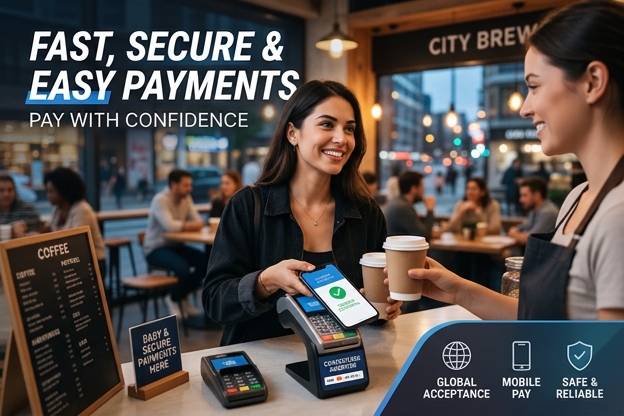
Some purchases are especially well suited for credit cards because the risk profile is higher, the dollar value is larger, or the convenience payoff is clearer.
High-value use cases
Online shopping is the obvious one. Fraud risk, shipping errors, and merchant disputes are easier to handle when the transaction sits on a credit line rather than directly draining a checking account. Travel is another major category. Airline bookings, hotels, rental cars, and foreign transactions often benefit from card protections and cleaner recordkeeping.
Subscription management is also easier on credit. Consumers can track recurring charges, classify spending, and challenge unauthorized billing more efficiently. For small business owners, software subscriptions, inventory purchases, and ad campaigns are often better placed on a business card that offers spend controls and reporting.
“The strongest credit card strategy is boring by design. You use the right card in the right category, pay the statement balance on time, and treat rewards as a rebate rather than a reason to spend.”
Smart purchase categories for card use
- Airfare, hotels, and rental cars
- Electronics and appliances with warranty value
- Business software and recurring subscriptions
- Online retail orders where delivery disputes are possible
- Large planned purchases that fit your monthly cash flow
Risks, Fees, and Common Mistakes to Avoid
Credit cards are useful because they reduce friction. That same quality can create bad habits fast. The biggest risk is carrying a balance at a high APR. Even strong rewards become meaningless if interest starts compounding month after month.
There are also softer risks. People often overestimate how much they will “catch up next month.” They may split spending across too many cards, forget annual fee renewal dates, or miss signs of subscription creep. A smart card routine is not just about what you buy. It is about how consistently you review what you bought.
According to Experian’s 2024 consumer credit data, average credit card balances rose as inflation and financing pressure persisted. That trend is a warning: convenience is not the same as affordability. Using a card for easy purchases only works when repayment capacity is already there.
Frequent mistakes
- Paying only the minimum due
- Using rewards to justify unnecessary purchases
- Ignoring statement review and fraud alerts
- Maxing out utilization before a major loan application
- Taking cash advances, which often trigger immediate fees and interest
How Merchants Benefit From Card-Friendly Payment Systems
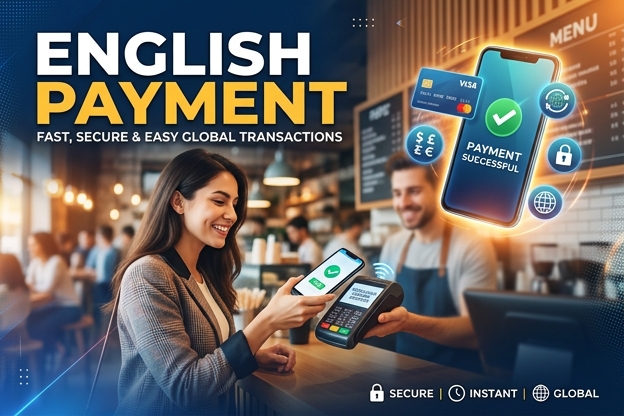
From the merchant side, credit cards are not merely a convenience option. They are often the difference between a completed sale and an abandoned cart. Customers expect to pay instantly, across devices, with confidence that their card data is protected and their transaction will process cleanly.
This is especially true in industries with higher scrutiny, recurring billing, international demand, or elevated chargeback risk. High Risk Payment Processing works in these areas because the operational stakes are higher. A weak payment setup can lead to false declines, reserve issues, fraud exposure, and revenue leakage.
According to the 2025 Nilson Report, card-based payment volume continues to expand globally, reinforcing how central credit and debit rails remain to commerce. Merchants that optimize for card acceptance, fraud screening, and seamless checkout usually see stronger conversion than those treating payments as a back-office afterthought.
What merchants should prioritize
- Use a gateway and processor that support your business model and risk profile.
- Enable tokenization, AVS, CVV checks, and fraud scoring.
- Keep checkout friction low while maintaining strong verification rules.
- Monitor chargeback ratios, refund patterns, and decline codes weekly.
- Make descriptors, support channels, and billing terms easy for customers to recognize.
A Real-World Case Study From High Risk Payment Processing
I worked with a subscription-based wellness brand that was struggling with a messy mix of failed recurring payments, customer confusion over statement descriptors, and too many chargebacks coming from legitimate cardholders who simply forgot they had enrolled. Their old provider treated every decline the same and offered almost no meaningful visibility.
With support from High Risk Payment Processing, we rebuilt the payment flow around clearer billing language, smarter retry logic, better fraud filters, and a more stable card acceptance environment. Within a single quarter, chargeback pressure eased, approval rates improved, and support tickets tied to “I don’t recognize this charge” dropped noticeably. The biggest lesson was simple: good card payments are not just about getting approved once. They are about making the full customer payment experience understandable and trustworthy.
In another engagement, I saw an ecommerce seller in a higher-risk category hesitate to promote credit card checkout because prior fraud losses had made the owner overly cautious. High Risk Payment Processing helped segment risky orders, tighten screening, and preserve smooth checkout for lower-risk customers. That balance mattered. Revenue rose because the store stopped treating all card users like potential threats while still respecting real fraud risk.
“Merchants do not need fewer card payments. They need better controls around the right card payments.”
How to Build a Safer and More Efficient Card Routine
If you want the benefits without the financial drag, your card process has to be repeatable. The most effective users remove emotion and rely on a few simple rules.
A practical system that works
- Pick a primary card: Use one main card for most spending so monitoring stays simple.
- Match a secondary card to a specific category: Travel, groceries, or business expenses are common options.
- Turn on alerts: Get push notifications for every transaction, payment due date, and statement close.
- Autopay the statement balance: This prevents interest while preserving grace-period benefits.
- Review transactions weekly: Catch fraud, duplicate charges, and subscription waste early.
- Redeem rewards on a schedule: Quarterly redemptions help you treat rewards as savings, not as an excuse to spend more.
Security habits matter too. Use virtual card numbers when available for online merchants you may not use again. Avoid storing card data on too many websites. Replace physical cards promptly after suspected compromise, and never ignore tiny test charges, which can signal an account being probed by fraudsters.
What the Latest Industry Data Says About Card Usage
The broader payment market keeps reinforcing the same message: cards are still central, but expectations around security and experience are rising. According to a 2024 report by J.D. Power on U.S. credit card satisfaction, customers increasingly value mobile account management, transparent rewards, and responsive fraud support alongside rates and fees. That means convenience is no longer enough by itself.
Meanwhile, card-not-present commerce continues to grow, which raises the importance of authentication, tokenization, and merchant-side fraud prevention. For consumers, that translates into more reasons to favor cards with strong digital controls. For merchants, it means card acceptance should be optimized continuously rather than set up once and ignored.
One more trend worth noting: younger consumers are comfortable with digital wallets, but those wallets are usually funded by cards. In other words, even when the payment feels wallet-first, the underlying credit card infrastructure still drives much of the transaction ecosystem.
When Credit Cards Are Not the Best Option
There are moments when using a credit card is a poor fit. If you already carry expensive revolving debt, adding more spending to the same system can deepen the problem. If a merchant adds a hefty surcharge for card payments, the math may favor debit, ACH, or cash. And if you struggle with impulse purchases, the speed of card checkout can make self-control harder.
For some businesses, card acceptance may also be costly in narrow-margin environments unless pricing and fraud controls are carefully managed. That does not mean avoiding cards entirely. It means understanding the economics of each payment channel.
The smartest posture is not “always use a credit card.” It is “use a credit card when the protections, convenience, recordkeeping, and rewards clearly outweigh the costs and risks.” That is the difference between casual use and strategic use.
Conclusion
Using a credit card well is less about chasing points and more about building a clean, low-friction payment system around your real spending patterns. The strongest outcomes come from pairing convenience with discipline: choose the right card, keep utilization under control, pay the statement balance on time, and review transactions regularly.
High Risk Payment Processing recommends three practical next steps:
- Audit your current cards and keep only the ones that fit your actual spending and repayment habits.
- Set up autopay, alerts, and weekly transaction reviews to reduce both fraud risk and missed payments.
- If you run a business, evaluate whether your payment stack supports strong card acceptance, fraud prevention, and clear billing communication.
References
- Federal Reserve, Diary of Consumer Payment Choice, 2024: Provided context on how consumers use cards across online and everyday transactions.
- Experian Consumer Credit Data, 2024: Offered insight into rising average credit card balances and consumer debt behavior.
- Nilson Report, 2025: Helped frame the scale and continued growth of global card payment volume.
- J.D. Power U.S. Credit Card Satisfaction Study, 2024: Highlighted what cardholders value most, including digital controls and fraud support.
FAQ
Is it smart to use a credit card for everyday purchases?
Yes, if you pay the full statement balance each month. Everyday card use can improve convenience, add fraud protection, and generate rewards, but those benefits fade quickly if interest starts accumulating.
How can I Use a Credit Card for Smart Payments and Easy Purchases without going into debt?
Use a simple system:
Charge only what you can already afford
Set autopay for the full statement balance
Keep utilization low
Review transactions weekly
Avoid cash advances and unnecessary balance transfers
Is a credit card safer than a debit card for online shopping?
Often, yes. A credit card generally keeps disputed funds off your checking account while the issue is investigated, which can make fraud events less disruptive to day-to-day cash flow.
What should business owners look for in a card payment processor?
Focus on operational fit, not just price. Key factors include:
Approval rates and support for your industry
Fraud tools such as AVS, CVV, and tokenization
Chargeback management support
Clear reporting and settlement visibility
Responsive account management from specialists like High Risk Payment Processing
Do rewards cards actually save money?
They can, but only when you avoid interest and annual fees that outweigh the benefits. For disciplined users, rewards act like a rebate. For balance carriers, they often become a distraction from much larger finance charges.