
Crypto Digital Currency: Everything You Need to Know
Crypto Digital Currency: Everything You Need to Know is no longer a niche topic reserved for traders and technologists. For businesses, it now affects payment strategy, treasury planning, fraud exposure, compliance, and customer experience. High Risk Payment Processing works with merchants that need to accept modern payment methods without sacrificing stability, speed, or risk controls.
If you are trying to decide whether crypto belongs in your payment stack, the real question is not whether it is popular. The real question is whether it solves a business problem better than cards, bank transfers, or other rails. That is where the details matter: settlement time, volatility, chargeback exposure, wallet security, and tax treatment.
Crypto digital currency is a form of value that is transferred and recorded electronically on a blockchain or similar distributed ledger. It can move peer to peer without a traditional bank in the middle, and its value may be tied to market demand, a fiat currency, or a specific use case. In practice, it includes assets like Bitcoin, Ethereum, stablecoins, and newer payment-focused tokens.
For high-risk and cross-border merchants, the opportunity is real. So are the mistakes. A smart rollout needs payment ops, legal review, customer support training, and a plan for price swings. High Risk Payment Processing helps businesses evaluate those trade-offs before they turn into costly surprises.
Table of Contents
Introduction
What Crypto Digital Currency Means for Merchants
How Blockchain Settlement Changes Payments
Popular Types of Crypto Digital Currency
Business Use Cases That Actually Make Sense
Risk, Compliance, and Security Considerations
How to Evaluate Crypto Payment Providers
Pricing, Volatility, and Treasury Strategy
Case Studies From High-Risk Merchants
Conclusion
References
FAQ
What Crypto Digital Currency Means for Merchants
For merchants, crypto is not just an asset class. It is a payment rail, a treasury instrument, and in some cases a customer acquisition tool. The business case usually starts with one of three goals: reach global buyers, reduce payment friction, or serve audiences that prefer privacy and speed.
That said, not every merchant should accept crypto. If your margins are thin and your accounting team is not prepared for reconciliation complexity, you may create more work than value. The strongest fit is usually found among digital goods, subscription services, travel, gaming, SaaS, and high-risk verticals with international demand.
Where it helps most
- Cross-border sales with high card decline rates
- Customers who cannot easily use local banking options
- Businesses seeking faster settlement than card networks
- Merchants wanting to diversify payment acceptance
“The best crypto payment programs are not built around hype. They are built around operational fit, conversion lift, and clear accounting rules.”
According to Chainalysis, global crypto adoption continued to expand through 2024, with emerging markets driving much of the practical payment activity. That matters because merchant demand often follows customer familiarity. If buyers already hold digital assets, they are more likely to spend them when checkout is simple and fees are transparent.
Pro Tip
Do not lead with “we accept crypto” unless your audience actually wants it. Lead with the problem it solves: faster checkout, fewer international declines, or access to a new buyer segment.
How Blockchain Settlement Changes Payments
Traditional card payments rely on authorization, clearing, and settlement steps that can stretch over days. Crypto settlement is different. Once a transaction is confirmed on-chain, it can settle far faster, which reduces uncertainty for the merchant.
That speed is valuable, but it is not free. Faster settlement may come with network congestion, variable gas fees, and irreversible transfers. If your support team is not ready to handle mistaken payments, wrong-chain deposits, or wallet-address errors, the operational burden can be significant.
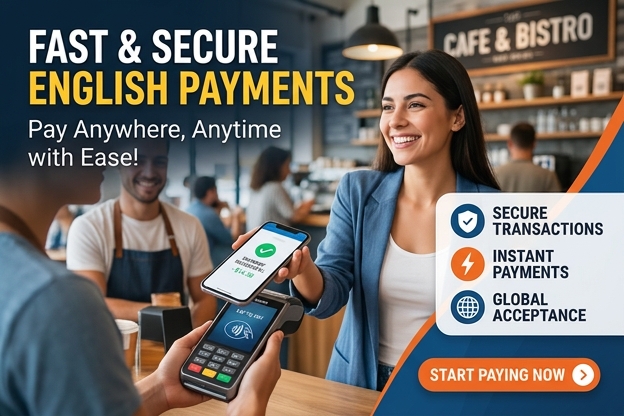
McKinsey has repeatedly noted that payment modernization is being driven by lower friction, improved user experience, and broader cross-border efficiency. Crypto fits that pattern when the use case is narrow and well controlled.
Why merchants care
For some businesses, the biggest gain is not lower cost. It is cash flow. Being able to receive funds quickly can matter more than shaving a fraction of a percent off processing fees. That is especially true for companies that deal with inventory risk, ad spend, or supplier prepayments.
| Business Type | Crypto Fit | Main Benefit | Main Risk |
|---|---|---|---|
| Global SaaS startup | High | Fewer cross-border payment failures | Accounting and tax complexity |
| Online gaming merchant | High | Access to tech-savvy users | Fraud screening and wallet disputes |
| Luxury travel agency | Medium | Fast international settlement | Volatility during refund windows |
| Local restaurant chain | Low | Niche publicity value | Little customer demand |
Popular Types of Crypto Digital Currency
Not all digital currencies behave the same way, and merchants should not treat them as interchangeable. The asset type determines volatility, settlement rules, and customer expectations.
Bitcoin
Bitcoin is the most recognized crypto asset and often the first option customers think of. It is widely held, relatively liquid, and useful for brands wanting broad familiarity. The downside is price volatility, which can create accounting noise if you hold it too long.
Ethereum
Ethereum supports smart contract functionality, making it useful for more advanced commerce, loyalty, and tokenized reward programs. However, fees can rise during network congestion, so checkout flow design matters.
Stablecoins
Stablecoins are typically pegged to fiat currencies like the U.S. dollar. For merchants, they are often the most practical option because they reduce volatility while preserving the speed benefits of blockchain settlement. If you want crypto acceptance without major price swings, stablecoins are usually the starting point.
Altcoins and niche tokens
Some businesses experiment with niche tokens to attract communities or create membership benefits. This can work in very specific audiences, but broad payment adoption is usually weaker than with Bitcoin or stablecoins.
“If a merchant cannot explain why a specific coin improves checkout, it probably does not belong in the payment stack.”
According to a 2025 Deloitte outlook on digital assets, the most sustainable enterprise use cases tend to center on payments, tokenized value transfer, and treasury efficiency rather than speculation. That lines up with what we see in merchant operations.
Business Use Cases That Actually Make Sense
The best crypto use cases are practical, not trendy. They solve friction that already exists.
Cross-border checkout
International customers often face card declines, bank blocks, or slow bank transfer options. Crypto can reduce those barriers, especially if the payment page is simple and the customer already understands the asset.
High-risk merchant payments
Some industries struggle with traditional processors because of chargeback exposure, regulatory scrutiny, or elevated refund rates. In those situations, crypto can reduce card chargeback exposure, though it does not eliminate fraud or customer disputes.
Recurring billing alternatives
For subscription businesses, crypto is harder to automate than cards, but stablecoin-based billing models are improving. If your audience is crypto-native, this may be worth testing. If not, the operational overhead may outweigh the benefit.
Supplier and treasury transfers
Some businesses use crypto for B2B transfers, especially when international banking is slow or expensive. Treasury teams may also hold a small allocation in stablecoins to speed payments or preserve operational flexibility.

Pro Tip
Start with one use case only. Launching crypto for every product line at once makes reconciliation, support, and reporting much harder than it needs to be.
Risk, Compliance, and Security Considerations
Crypto can improve flexibility, but it also introduces risk categories that traditional payments teams may not be ready for. These include wallet security, anti-money-laundering screening, sanctions exposure, and irreversible transfers.
Compliance matters because regulators increasingly expect businesses to know who they are doing business with and where funds come from. For merchants operating in high-risk spaces, partner selection should include transaction monitoring, KYC support, and clear refund policies.
Common risks to plan for
- Price volatility between payment and conversion
- Incorrect wallet addresses and lost funds
- Custody risk if the provider holds assets
- Refund complexity after settlement
- Regulatory uncertainty across jurisdictions
Chainalysis has also reported that illicit crypto activity remains a small share of total transaction volume, but the absolute dollar amount is still large enough to demand serious controls. That is why merchant compliance cannot be an afterthought.
What strong controls look like
A mature setup uses address validation, transaction monitoring, role-based access, payment confirmation rules, and a documented refund workflow. For larger merchants, treasury policies should define when crypto is auto-converted to fiat and who approves exceptions.
“The fastest way to turn a promising crypto pilot into a loss is to ignore settlement controls and treasury policy.”
If your team cannot answer basic questions about custody, tax reporting, and dispute handling, pause before going live.
How to Evaluate Crypto Payment Providers
Choosing the right provider is where strategy becomes execution. A good partner should reduce complexity, not add another dashboard your team avoids.
- Confirm which assets are supported and whether stablecoin conversion is available.
- Review settlement timing, conversion options, and fee structure.
- Ask how custody is handled and who controls private keys.
- Check compliance features such as KYC, sanctions screening, and fraud alerts.
- Test refund, partial refund, and exception handling before launch.
High Risk Payment Processing advises merchants to compare providers on real operating conditions, not marketing claims. A low headline fee can become expensive if reconciliation is manual or conversion spreads are hidden.
Pricing, Volatility, and Treasury Strategy
Crypto pricing is not just about market value. It is about exposure timing. If you accept Bitcoin and hold it for even a short period, you are taking directional risk. Stablecoins reduce that risk, but not all stablecoins carry the same reserve quality or regulatory comfort.
The cleanest strategy for most merchants is to auto-convert incoming crypto into fiat or a treasury reserve on receipt. This keeps revenue reporting stable while still offering customer choice.
Practical treasury rules
Set thresholds for:
- Maximum crypto balance to hold on hand
- Conversion timing by asset type
- Approval limits for manual transfers
- Daily reconciliation and exception review
In one project, I worked with a high-risk merchant that was losing international orders because card acceptance was inconsistent. We helped them add stablecoin checkout through a controlled provider, and their first win was not hype-driven volume. It was a cleaner checkout path for overseas buyers who were already used to digital wallets.
In another case, I advised a subscription brand that wanted to hold crypto for treasury upside. We pushed back. Their finance team was small, refund volume was unpredictable, and their reporting system was not ready. They kept the payment option but auto-converted every transaction to fiat. That choice protected margin and reduced month-end chaos.
Case Studies From High-Risk Merchants
Here is what this looks like in real operating conditions.
Case study: subscription software
A SaaS company serving international users added stablecoin checkout after seeing repeated card declines in Latin America and parts of Asia. The result was better authorization performance for eligible customers and fewer support tickets about failed payments. The lesson: crypto worked because the customer pain was already obvious.
Case study: premium digital services
A high-risk digital services brand used crypto to reduce dependency on one card processor. The brand did not market crypto heavily; it simply offered it as an alternative at checkout. That kept the user experience clean while giving the business a backup rail if traditional processing tightened.
High Risk Payment Processing has found that the strongest crypto programs usually share three traits: narrow scope, automated conversion, and compliance-first implementation. Merchants that try to use crypto as a branding gimmick usually underperform the ones that use it as an infrastructure tool.
Conclusion
Crypto digital currency can be a smart payment option, but only when it matches your customer base, risk tolerance, and operational maturity. The strongest use cases are cross-border sales, high-risk merchant payments, and stablecoin-based settlement.
High Risk Payment Processing recommends these next steps:
- Audit your customer demand before enabling crypto checkout.
- Choose one asset type first, ideally a stablecoin if volatility is a concern.
- Build refund, accounting, and compliance workflows before launch.
References
Chainalysis — Used for global adoption and illicit activity context in digital asset markets.
McKinsey — Used for payments modernization and operational efficiency perspective.
Deloitte — Used for enterprise digital asset and treasury-use case insight.
Gartner — Used for broader fintech and payment infrastructure evaluation trends.
FAQ
What is Crypto Digital Currency: Everything You Need to Know?
-
It is a digital form of value that moves through blockchain-based systems or similar networks. For merchants, it can function as a payment method, treasury tool, or cross-border settlement option.
Is crypto safer than card payments for merchants?
-
It can reduce card chargeback exposure, but it introduces wallet, custody, and compliance risks. Safer depends on your controls and provider setup.
Should merchants accept Bitcoin or stablecoins first?
-
Stablecoins are often the better first choice because they reduce price volatility while keeping fast settlement. Bitcoin is more recognizable, but it can create more treasury risk.
How do refunds work with crypto payments?
-
Refunds usually require sending the equivalent value back to the customer’s wallet or converting funds first, depending on your provider. Clear refund policies are essential before launch.
Is crypto a good fit for high-risk businesses?
-
Often yes, especially when card declines or processor restrictions are hurting revenue. The key is choosing a provider that supports compliance, conversion, and operational reporting.
What should I check before accepting crypto on my site?
-
Review settlement timing, supported assets, custody model, refund handling, tax reporting, and compliance features. A trial run with small volume is smart before full rollout.